


When people think about honey bees, they usually picture worker bees buzzing from flower to flower or a queen bee ruling the hive. Far less attention is given to the drone male bee, yet drones play a critical role in the survival of honey bee populations. While they do not gather nectar, make honey, or defend the hive, drone bees serve a single, biologically essential purpose: reproduction.
Understanding the drone male bee offers insight into honey bee biology, colony dynamics, and even broader ecological health. Whether you are a beekeeper, nature enthusiast, or someone curious about how bees function, this guide will explain everything you need to know about drone bees—from how they are born to why colonies sometimes expel them.
What Is a Drone Male Bee?
A drone male bee is the male member of a honey bee colony. Unlike worker bees (which are female) and the queen bee, drones have a singular role: to mate with a virgin queen. They do not forage for food, produce wax, guard the hive, or care for brood.
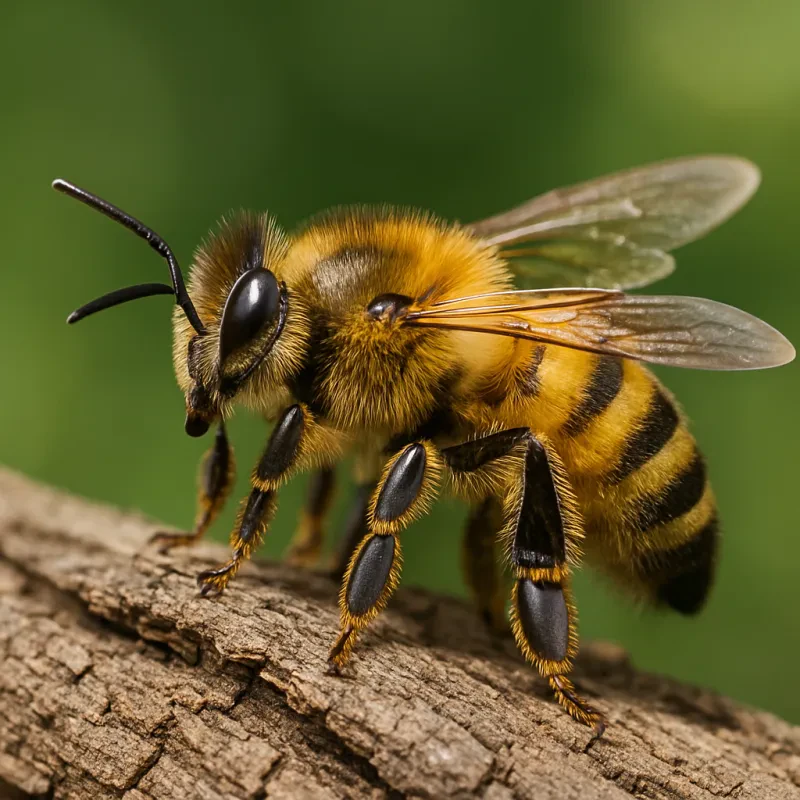
Drone bees are larger than worker bees and easily identifiable by their thick bodies, blunt abdomens, and large eyes. These physical traits are directly related to their reproductive purpose, especially their ability to locate and mate with queens in mid-air.
In a healthy hive during peak season, drones can make up several hundred to several thousand individuals, depending on colony strength and environmental conditions.
Drone Male Bee vs Worker Bee vs Queen Bee
To fully understand the drone male bee, it helps to compare it to the other members of the hive.
Drone Bee Characteristics
-
Male
-
Larger body, broader abdomen
-
Large compound eyes
-
No stinger
-
Does not forage or defend
-
Sole purpose is reproduction
Worker Bee Characteristics
-
Female (non-reproductive)
-
Smaller body
-
Has a stinger
-
Collects nectar and pollen
-
Produces wax and honey
-
Maintains and defends the hive
Queen Bee Characteristics
-
Female (reproductive)
-
Long abdomen
-
Lays up to 2,000 eggs per day
-
Releases pheromones to regulate the colony
-
Usually only one per hive
This division of labor is what makes a honey bee colony such an efficient and successful superorganism.
How Drone Male Bees Are Born
One of the most fascinating aspects of drone male bees is their genetic origin.
Haploid Genetics Explained
Drone bees develop from unfertilized eggs, a process known as parthenogenesis. This means:
-
Drones have only one set of chromosomes
-
They inherit all their genetic material from the queen
-
They have no father
In contrast, worker bees and queens develop from fertilized eggs and are diploid, meaning they have two sets of chromosomes.
This unique genetic structure plays an important role in honey bee evolution and mating strategies.
Drone Male Bee Life Cycle
The life cycle of a drone male bee follows four distinct stages.
1. Egg Stage
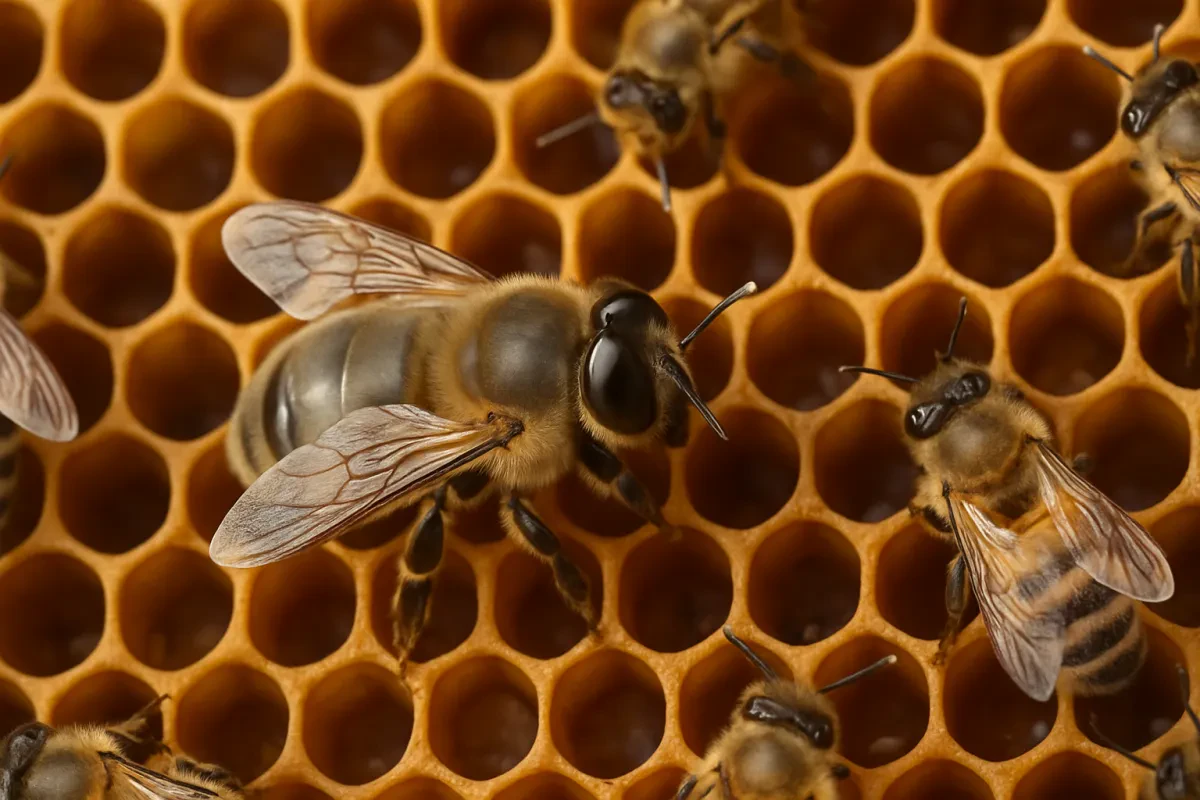
The queen lays an unfertilized egg in a larger drone cell. These cells are noticeably bigger than worker cells and often protrude from the comb.
2. Larva Stage
After three days, the egg hatches into a larva. Worker bees feed the larva a rich diet of brood food and pollen.
3. Pupa Stage
The cell is capped, and the drone enters the pupal stage. During this time, it develops wings, eyes, legs, and reproductive organs.
4. Adult Drone
After approximately 24 days, the adult drone emerges. This is longer than the worker bee development time of 21 days, reflecting the drone’s larger size.
Physical Characteristics of a Drone Male Bee
Drone male bees have distinct physical features that make them easy to identify in the hive.
Larger Eyes
Drones have extremely large compound eyes that meet at the top of their head. These eyes help them spot queens during mating flights.
Broad Body
Their thick, rounded abdomen houses reproductive organs and distinguishes them from the slimmer worker bees.
Lack of Stinger
Drone bees cannot sting. They pose no direct defensive threat and rely entirely on workers for protection.
Strong Wings
Drones are powerful fliers, capable of reaching drone congregation areas located miles from their home hive.
What Is the Purpose of a Drone Male Bee?
The primary and only biological purpose of a drone male bee is mating with a virgin queen.
Drone Congregation Areas
Drones gather in specific locations called drone congregation areas (DCAs). These areas are often:
-
Open spaces
-
Sunny
-
Protected from wind
-
Used year after year
Virgin queens fly to these areas during mating flights, where drones compete to mate with them.
Mating Process
-
The queen mates with multiple drones (often 10–20)
-
Each successful drone dies immediately after mating
-
The queen stores sperm for her entire lifetime
This ensures genetic diversity within the colony, which increases disease resistance and overall hive health.
Why Do Colonies Produce So Many Drone Bees?
Producing drones is energetically expensive, yet colonies do it for good reason.
Genetic Survival
Drones allow a colony’s genetics to spread beyond its own hive, increasing the survival chances of future generations.
Seasonal Timing
Colonies produce drones primarily in spring and early summer, when queens are most likely to mate successfully.
Colony Strength Indicator
A hive producing drones is usually strong, healthy, and resource-rich.
What Do Drone Male Bees Do All Day?
Unlike worker bees, drones lead a relatively relaxed life.
Typical Drone Activities
-
Eating honey and pollen
-
Resting inside the hive
-
Taking orientation flights
-
Flying to drone congregation areas
Drones are fed by worker bees and rely entirely on the colony for survival.
Drone Male Bee Diet
Drone bees do not forage. Instead, they consume:
-
Honey
-
Nectar
-
Pollen provided by worker bees
This dependence is one reason colonies eliminate drones when resources become scarce.
Drone Male Bee Behavior Inside the Hive
Within the hive, drones are mostly passive.
-
They do not participate in hive maintenance
-
They do not clean cells
-
They do not guard the entrance
-
They often block pathways due to their large size
Despite this, they are tolerated during times of abundance because of their reproductive importance.
What Is Drone Brood?
Drone brood refers to developing drone bees inside capped cells.
Identifying Drone Brood
-
Bulging, domed cappings
-
Larger cell size
-
Often found along the edges of frames
Importance to Beekeepers
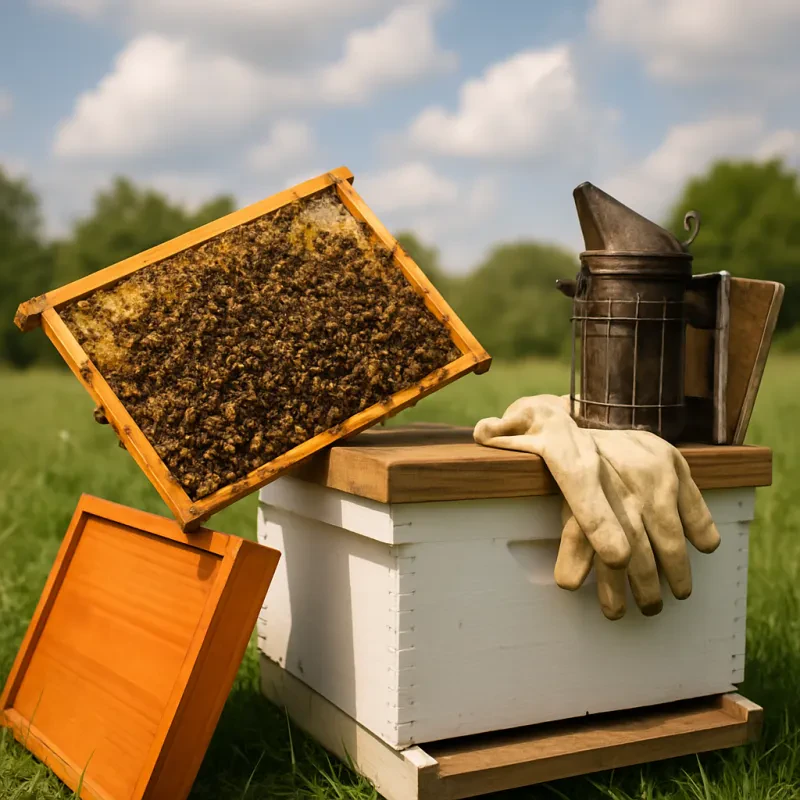
Some beekeepers remove drone brood to help manage Varroa mite infestations, as mites prefer drone cells due to the longer development time.
The Drone Eviction: Why Drones Are Kicked Out
One of the most well-known behaviors involving drone male bees is drone eviction.
When Does It Happen?
Drone eviction typically occurs in late summer or early fall.
Why Does It Happen?
-
Nectar flow decreases
-
Winter approaches
-
Drones are no longer needed for mating
What Happens to the Drones?
Worker bees:
-
Stop feeding drones
-
Push them out of the hive
-
Prevent re-entry
Unable to forage or survive on their own, drones quickly die.
Are Drone Male Bees Useless?
Despite common misconceptions, drone male bees are not useless.
Their Importance Includes:
-
Ensuring genetic diversity
-
Supporting long-term species survival
-
Playing a key role in queen quality
-
Indicating colony health
Without drones, honey bee populations would collapse within a single generation.
Drone Male Bees and Beekeeping Practices
Understanding drone bees helps beekeepers make informed management decisions.
Drone Brood Management
-
Used in Varroa control
-
Can indicate queen laying patterns
-
Excess drone brood may signal queen issues
Queen Rearing
High-quality drones are essential for producing strong, productive queens.
How Long Do Drone Male Bees Live?
The lifespan of a drone male bee depends on circumstances.
-
If they mate: They die immediately
-
If they do not mate: Several weeks to a few months
-
If winter approaches: They are evicted
Most drones do not survive beyond one season.
Drone Male Bees and Ecology
Drones contribute indirectly to ecosystems by ensuring:
-
Strong honey bee populations
-
Pollination continuity
-
Genetic resilience
Healthy drone populations support healthier queens, which leads to more effective pollination across agricultural and wild landscapes.
Common Myths About Drone Male Bees
Myth 1: Drone Bees Are Lazy
Fact: Their role is specialized, not lazy. Reproduction is vital to species survival.
Myth 2: Drone Bees Are Dangerous
Fact: Drones cannot sting and are harmless to humans.
Myth 3: Colonies Don’t Need Drones
Fact: Without drones, queens cannot reproduce successfully.
Interesting Facts About Drone Male Bees
-
Drones have no father
-
Their eyes are larger than any other bee caste
-
They cannot survive independently
-
They die instantly after mating
-
Colonies can survive without drones—but only temporarily
Why Understanding the Drone Male Bee Matters
Learning about the drone male bee helps deepen appreciation for honey bee biology and colony dynamics. Each caste—queen, worker, and drone—plays a vital role in maintaining balance within the hive. While drones may appear expendable, they are indispensable to the future of honey bees.
For beekeepers, understanding drone behavior can improve hive management, queen quality, and overall colony success. For everyone else, it offers a fascinating glimpse into one of nature’s most complex and efficient systems.
Final Thoughts on Drone Male Bees
The drone male bee is a perfect example of how nature prioritizes specialization. Though drones do not gather nectar or produce honey, their genetic contribution ensures the continuation of honey bee populations worldwide.
By understanding their life cycle, purpose, and behavior, we gain greater respect for the intricate balance that keeps hives thriving—and ecosystems functioning.