
Beekeeping has a rich history that stretches back thousands of years. In ancient times, people noticed the incredible work that bees did and began to appreciate them not just for honey, but for their role in nature. The first recorded instances of ancient beekeeping can be traced to ancient Egypt around 3000 BCE. Egyptians revered bees and used honey for various purposes, from sweetening food to medicinal uses.
As we look further back, evidence of beekeeping has been found in cave paintings in Europe, showing that early humans were harvesting honey long before they had established farms. This suggests that ancient beekeeping wasn't just about collecting honey—it was a way for communities to connect with nature and understand the vital role bees play in our ecosystem.
In addition to Egypt, ancient beekeeping traditions emerged in several other civilizations. The Greeks and Romans placed great value on honey and bees. They even wrote texts about beekeeping techniques and practices, sharing knowledge that would influence future generations. For example, Aristotle famously studied bee behavior and marked many observations that are still relevant today.
In regions like the Middle East, beekeeping was integrated into daily life. Ancient methods included hollowing out logs or using clay pots to create homes for bees. These simple designs allowed communities to thrive, as honey was a vital resource for food and trade. The techniques developed over the centuries laid the foundation for the beekeeping practices we see today.
Unique Methods from Ancient Cultures
When we think about ancient beekeeping, it’s fascinating to see how different cultures approached the art of working with bees. Each culture had its own unique methods that not only respected the bees but also made honey harvesting a meaningful ritual. Let’s explore some of these unique techniques that have stood the test of time.
In ancient Egypt, beekeeping was considered a sacred practice. The Egyptians built hives using clay and straw, which helped insulate the bees from extreme temperatures. They understood the importance of keeping a close relationship with their bees, and honey was often used in religious offerings and medicine. They even depicted beekeeping in their hieroglyphs, showing just how vital it was to their society.
Another fascinating method comes from ancient Greece, where beekeepers used hollowed-out logs as hives. These logs were placed in the shade to keep the temperature just right for the bees. Greek philosophers and writers, like Aristotle, also wrote about the behavior of bees, helping to document beekeeping knowledge that we still reference today. This blend of practical know-how and intellectual curiosity highlights how integrated ancient beekeeping was with daily life.
In the Far East, traditions varied greatly. In China, beekeepers would often use wicker baskets as hives. They’d meticulously manage the bees’ environment and even used smoke to calm them before harvest. This approach not only showcases the deep respect for bee welfare but also adds an interesting layer to ancient beekeeping practices that many modern beekeepers can learn from.
From the clay hives of Egypt to the bamboo baskets of China, ancient beekeeping methods reflect a rich tapestry of cultural practices. Each region had its own way of nurturing the bees and ensuring a good harvest. Today, as we look back at these traditions, we can find inspiration for sustainable practices that honor our buzzing friends and the delicious honey they create.
Tools Bees Loved in Ancient Times
Bees have been buzzing around for millions of years, but ancient beekeeping tools tell the stories of how our ancestors managed to keep these little creatures in check. Back in the day, beekeepers used what they had at hand to create innovative solutions for honey harvesting and hive management. It’s fascinating to think about the simple yet effective tools they developed!
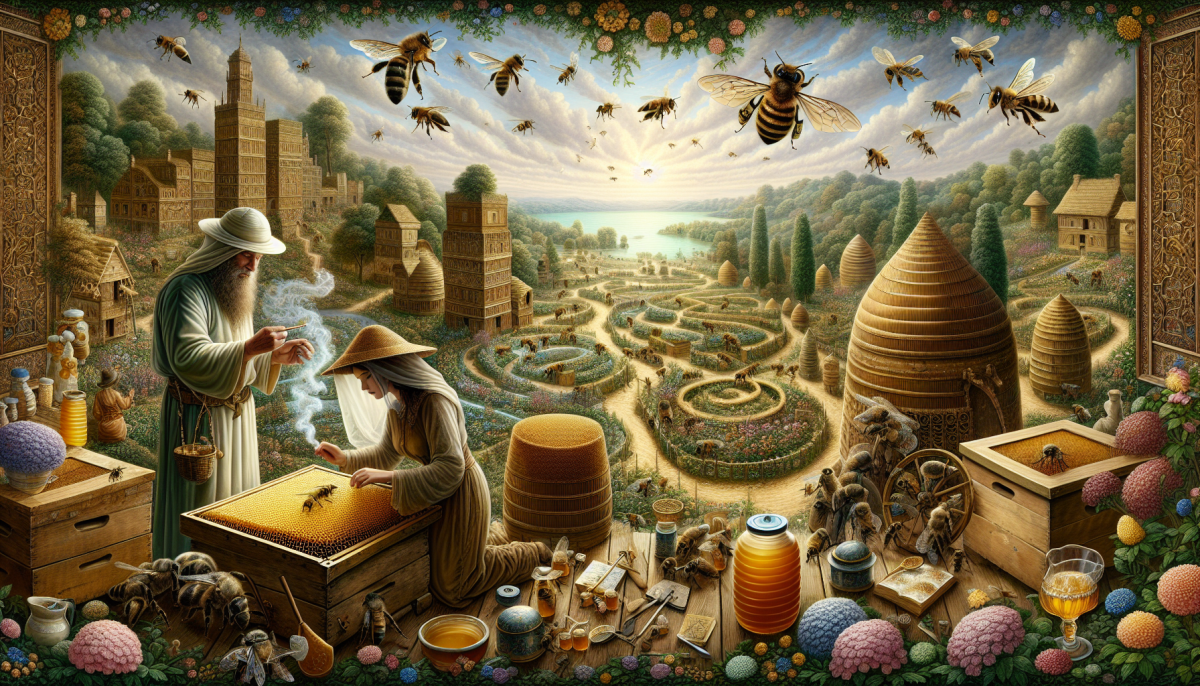
One of the most popular tools in ancient beekeeping was the skep, a dome-shaped basket made from straw or reeds. Beekeepers would use these to house their bees, often placing them in gardens or orchards to enhance pollination. The beauty of a skep lies not just in its design but in its practicality—bees loved residing in them and they were relatively easy to handle when collecting honey.
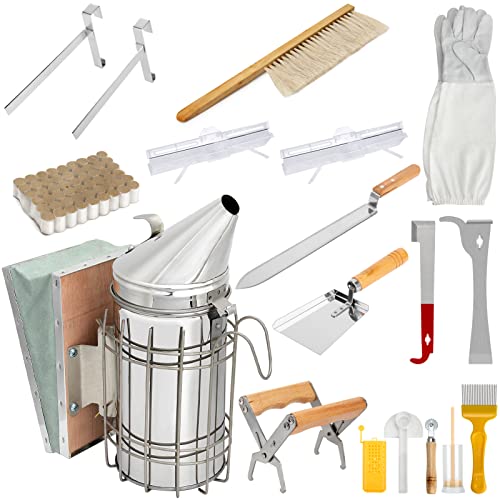
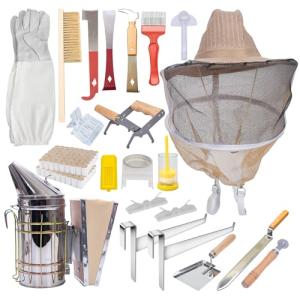
Another handy gadget was the honeycomb knife, a specially designed tool for cutting into the honeycomb without a mess. This knife had a smooth edge that allowed beekeepers to extract honey while leaving some comb behind for the bees to rebuild. It was all about maintaining a healthy hive, showing how ancient beekeeping was as much about sustainability as it is today.
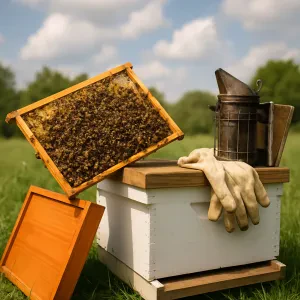
And we can't forget about the smoke! Ancient beekeepers often used smoke to calm their bees before getting to work. Using a simple smoking device, they could puff smoke into the hive, which helped to relax the bees. This method not only made harvesting honey easier but also reduced the chances of getting stung.
These ancient tools reflect the resourcefulness of beekeepers from long ago. Even with limited resources, they found ingenious ways to connect with bees and keep their hives thriving. Such traditions remind us of the rich history behind beekeeping and its evolving practices over time.
Lessons from Ancient Beekeeping Practices
When we dive into the world of ancient beekeeping, we uncover some fascinating lessons that have stood the test of time. Traditionally, societies like the Egyptians and Greeks viewed bees as symbols of wealth and wisdom. Their beekeeping practices weren’t just about honey production; they were deeply intertwined with their cultures, beliefs, and lifestyles.
One key aspect of ancient beekeeping was the use of natural materials. Ancient beekeepers often created hives using clay, straw, and even hollowed-out trees. These materials were readily available and meant that their hives blended seamlessly into the environment, allowing bees to thrive. This approach teaches us the value of sustainability. Using natural resources not only benefits the bees but also helps maintain ecological balance.
Another interesting lesson is the importance of observation. Ancient beekeepers spent time watching their bees, understanding their behavior, and learning their patterns. They relied on their observations to manage their hives effectively, focusing on the bees' needs rather than forcing productivity. This insight reminds modern beekeepers to pay attention to their colonies and adjust their practices based on what the bees are telling them.
Furthermore, many ancient cultures celebrated the bee and its products in rituals and festivals. This connection to community and tradition highlights the role of bees in agriculture and food production. By recognizing and respecting the pollinators in our lives, we can foster a greater appreciation for the essential role they play in our ecosystem. Ancient beekeeping not only provided sustenance but also fostered a sense of belonging among communities.