

Honey bees can be little bundles of joy, buzzing around and pollinating plants. But if you get too close, there’s a chance they might sting you. So why do honey bees sting in the first place? Let’s break it down.
First off, honey bees sting mainly to protect their queen and the hive. When they feel threatened, like if a human or animal is invading their territory, they’ll defend their home. It’s all about ensuring the safety of their colony, which is super important for their survival.
Another reason honey bees sting is when they’re startled. If you swat at them or make sudden movements, they might take that as a sign to attack. They don't just sting for fun; it's all about reacting to something they perceive as a danger.
Now, let’s talk about a big question: honey bees sting do they die? Unfortunately, yes. When they sting a person, they leave their stinger behind, which leads to their demise. This is a huge sacrifice for them, and they only do it when absolutely necessary. So, if you’re ever stung, remember that the bee was just trying to protect its home.
What Happens After a Bee Stings
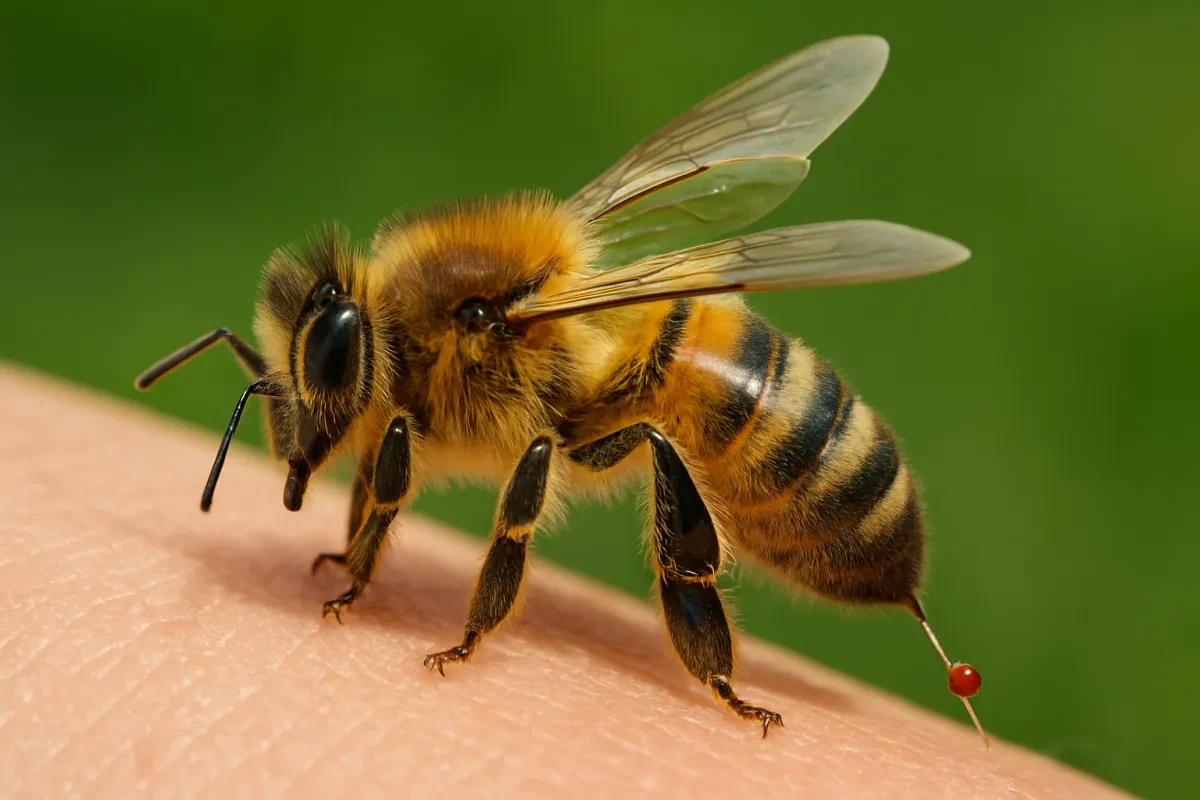
When a honey bee stings, it's usually to protect its colony from a threat. The sting itself is not just a harmless poke; it includes a venom that can cause pain and irritation. But what happens after that sting? This is where things get interesting. Most of us know that honey bees sting do they die, and the answer is yes, they often do. When a honey bee stings, it leaves its stinger, along with part of its abdomen, behind in the skin of its target.
This means that the bee can't survive for long after stinging. The process is pretty brutal for the bee. Once the stinger and part of its body remain in the skin, the bee will eventually die from the injury. That’s a high price to pay for defense!
After a honey bee stings, the venom continues to pump into the victim’s skin for a short while. This can lead to redness, swelling, and the infamous itchiness that follows. Some people may have a mild reaction, while others can experience serious allergic reactions that need immediate medical attention. It’s always a good idea to be cautious if you notice signs of a severe reaction.
So, to sum it up, when a honey bee stings do they die? Yes, the bee sacrifices itself to protect its colony, and in return, it gives us a painful reminder of the important role bees play in our ecosystem. They may leave behind a sting, but their impact on the environment and our food supply is huge.

Jerry's Beehives Wildflower Honey 3lbs - Florida Origin
Pure, Local Honey Straight from Florida's Wildflowers - Harvested by Jerry's Beehives
Product information
Product Review Score
4.96 out of 5 stars
53 reviewsProduct links
Do All Bees Die After Stinging
When a honey bee stings, it injects venom through its stinger, which is barbed. This barbed design means that once it stings, it's tough for the bee to pull out the stinger. When the bee tries to fly away, it ends up tearing its abdomen apart. That’s why, in most cases, a honey bee will die after it stings.
However, not all bees are like this. Other species, like bumblebees or wasps, can sting multiple times without dying. They don’t have a barbed stinger, which allows them to sting and fly away unscathed. So when you hear the phrase "honey bees sting do they die," remember it’s specifically about honey bees and their unique stinging process.
Understanding this can change how you perceive honey bees. They won't sting unless they feel threatened. Their primary goal is to protect their hive and themselves, not to cause harm. So, think twice before swatting at a bee—it may feel it needs to defend itself!
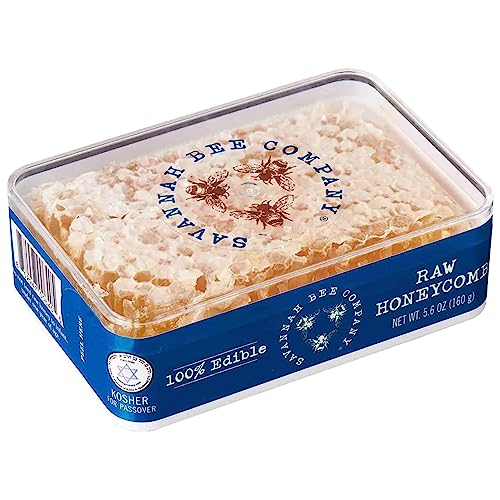
Savannah Bee Acacia Honeycomb: All-Natural, Unfiltered Honey - 5.6oz
Pure and delicious honeycomb harvested from Savannah Bee's acacia blooms in a convenient 5.6oz jar
Product information
$19.00
Product Review Score
4.36 out of 5 stars
91 reviewsProduct links
How to Avoid Getting Stung by Bees
If you’re curious about how to keep your distance from honey bees while enjoying the sweet benefits they provide, you’re in the right place. Avoiding bee stings is key, especially if you're asking, "honey bees sting do they die?" Let’s go over some practical tips!
First off, stay calm. Bees can sense when you’re panicking. Quick movements or swatting in the air can make them feel threatened. If you see a bee, just relax and move away slowly without yelling. It can really make a difference!
Next, think about what you wear. Bees are attracted to bright colors, so choose muted tones when you're outside. Light clothing can also help—avoid dark colors and floral prints. And remember, wearing open-toed shoes in the garden is a no-go! Bees hide around flowers and can land on your feet without you even noticing.
Also, skip the scented lotions and perfumes. The sweet fragrance may smell nice to us, but it draws honey bees right to you. Keeping your hands and body scent-free while you're out will reduce the chance of attracting unwanted guests.
Finally, steer clear of areas known for bee activity, especially during peak foraging times. This is usually the warmest part of the day. If you happen to disturb a hive or a few bees are buzzing around, just back away slowly. Remember, understanding how honey bees sting and if they die is part of knowing how to respect them and their space!