


Honey bees are truly amazing creatures, playing a crucial role in our ecosystem. These busy little pollinators are responsible for helping many plants reproduce, which in turn supports our food supply. Understanding honey bee biology and beekeeping can open your eyes to their complex social structures and how they work together in their colonies.
Let's dive into some fun facts! A single honey bee can visit up to 2,000 flowers in one day. That's a lot of hard work for such a small insect. They communicate through dances, which tell their hive mates where to find the best flowers. The colony is organized with a queen, worker bees, and drones, each with specific roles that keep everything running smoothly.
When it comes to beekeeping, it's not just about maintaining hives and harvesting honey. It’s also about nurturing these creatures and protecting them from threats like pests and diseases. Starting out in honey bee biology and beekeeping involves learning about hive management, daily checks, and how to recognize signs of a healthy or struggling colony.
If you're thinking about getting into beekeeping, grab a good book or find a local beekeeping group. They often have workshops where you can learn hands-on, and you'll meet some passionate people who love bees just as much as you will. It's a rewarding hobby that connects you with nature and supports the environment!
Essential Bee Anatomy Everyone Should Know
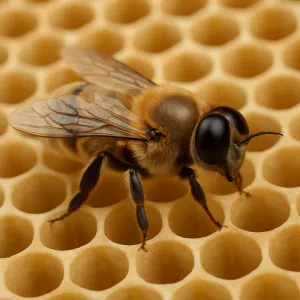
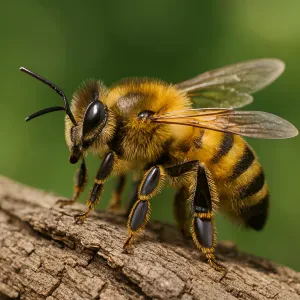
When diving into honey bee biology and beekeeping, it’s helpful to know a few key parts of bee anatomy. Understanding how these little creatures work can really enhance your beekeeping experience. So, let’s break it down!
1. The Head: The head of a honey bee is packed with important features. It houses the eyes, which are great for spotting movement, and the antennae, which help bees smell and taste. They also have powerful mandibles for chewing and manipulating their food.
2. The Thorax: This middle section is where the magic happens! The thorax contains the muscles that control the wings and legs. Honey bees have two pairs of wings that allow them to fly around collecting nectar and pollen. Plus, their legs are equipped with tiny hairs perfect for holding onto pollen as they buzz from flower to flower.
3. The Abdomen: The abdomen is where the bee’s digestive system resides. It’s also home to the honey stomach, a special pouch that stores nectar before it’s transformed into honey. If you look closely, you might see the stinger, too. Only female bees have stingers, and they use it in defense of the hive.
Understanding this basic honey bee biology and beekeeping knowledge will help you appreciate how these amazing insects contribute to our ecosystem. Each part plays a role in their survival and the vital process of pollination!
Key Roles in the Hive Community
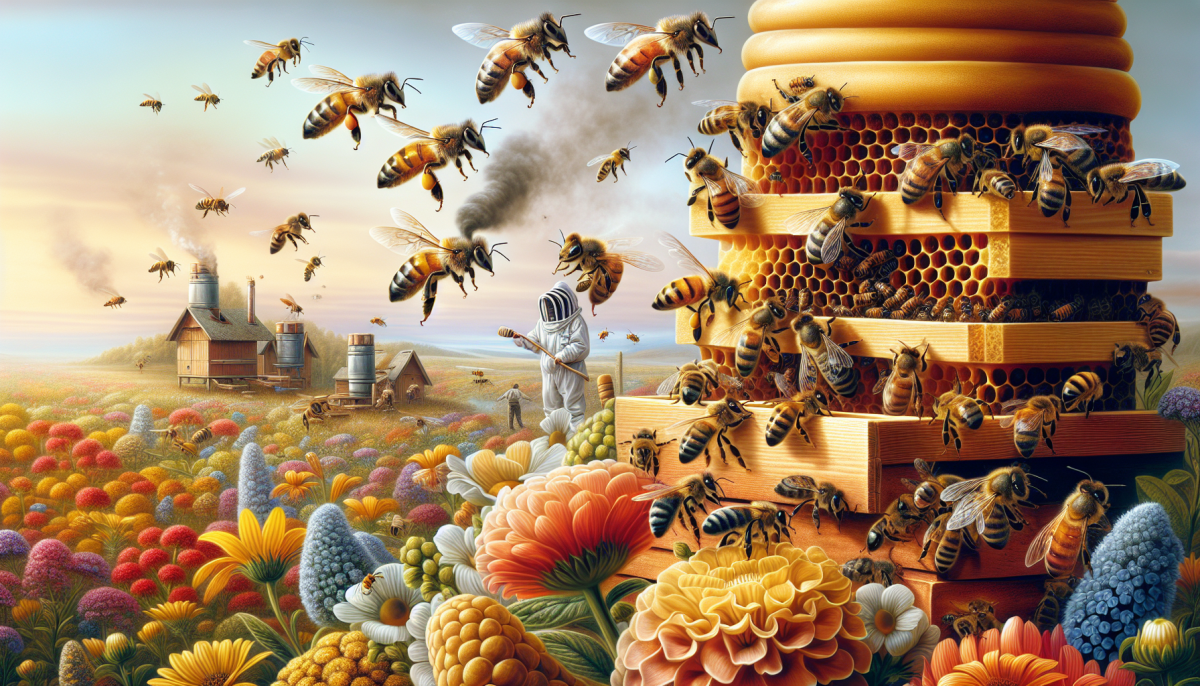
In any hive, everyone has a job to do! Understanding these key roles is essential for anyone interested in honey bee biology and beekeeping. Each bee has a specific role that helps the hive thrive, making it a fantastic team effort.
Queen Bee: At the heart of the hive is the queen bee, who’s not just another bee; she’s the mother of the colony! Her main job is to lay eggs, which can number up to 2,000 a day during the peak season. The queen also releases pheromones that help keep the hive united and functioning smoothly.
Worker Bees: These are the busy bees we often think of. Worker bees are female and do a variety of tasks as they age. Younger workers clean and care for the eggs and larvae, while older workers forage for nectar and pollen, help maintain the hive’s temperature, and protect it from intruders. They really are the backbone of honey bee biology and beekeeping!
Drones: Drones are the male bees, and their primary purpose is to mate with a queen. They don’t participate in foraging or hive maintenance and are usually kicked out of the hive in winter since they rely on the worker bees for survival. Drones are a fascinating part of the hive community, contributing to the next generation of bees.
Understanding these roles helps beekeepers care for their hives properly. By recognizing the needs of the queen, workers, and drones, you can ensure a healthy and thriving bee community, which is key to successful honey bee biology and beekeeping.
Starting Your Beekeeping Journey Today
First things first: Education is key! Familiarizing yourself with the basics of honey bee biology and beekeeping helps you understand the needs and behaviors of your bees. Consider reading books, watching videos, or even joining local beekeeping clubs. You’ll find a wealth of information that can enhance your skills and confidence.
Next, think about your setup. What kind of space do you have for beekeeping? Whether it’s a large backyard or a small garden, make sure it’s a safe haven for your bees. You’ll also need to choose the right hive type. The most popular option for beginners is the Langstroth hive, but there are others too! Choose the one that fits your style and needs.
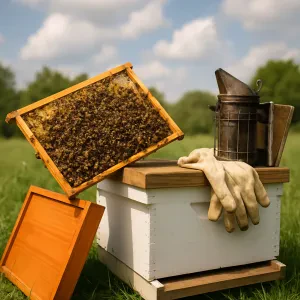
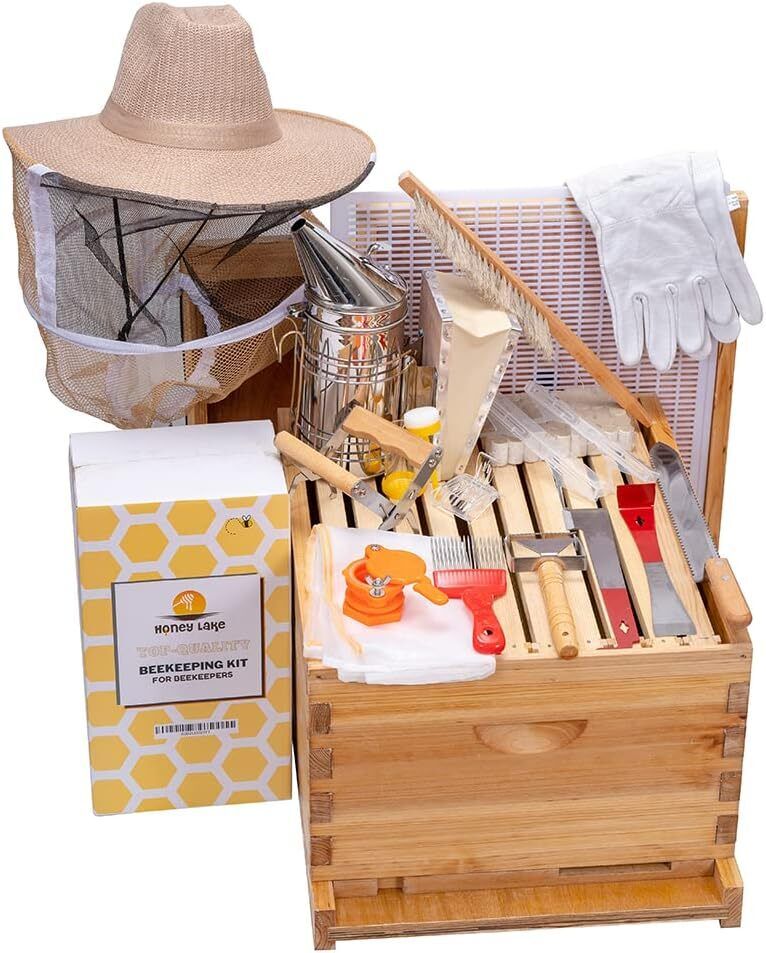
Don't forget about the essential tools! A bee suit, smoker, and hive tool are must-haves for safety and convenience. Plus, having a reliable source for your bees, whether buying through local sellers or capturing your first swarm, is crucial. Always make sure your bees are healthy and well cared for from the start!
So, are you ready to start your beekeeping adventure? With some knowledge and the right equipment, you’ll be well on your way. Enjoy watching your bees thrive and may your interest in honey bee biology and beekeeping lead to a flourishing hive!