Florida’s warm climate, long flowering seasons, and diverse flora make it one of the best states in the U.S. to become a beekeeper. Whether you're pursuing beekeeping as a hobby, side business, or full-time agricultural venture, the Sunshine State offers ample opportunities for success. This guide will walk you through every step of becoming a beekeeper in Florida, including legal requirements, equipment, education, and tips for success.
Why Beekeeping in Florida?
Before diving into the steps, it’s important to understand why Florida is such a hotspot for beekeeping.
Ideal Climate for Year-Round Beekeeping
Unlike colder states, Florida’s climate allows beekeepers to maintain active hives nearly all year long. That means more opportunities for honey production, pollination services, and queen rearing.
Diverse Floral Sources
Florida's ecosystems—from orange groves to wildflower fields and tupelo swamps—provide bees with rich and varied nectar sources, contributing to the state’s unique and sought-after honeys.
Supportive Regulations and Community
Florida has a thriving beekeeping community and an established legal framework that supports both amateur and commercial beekeepers.
Step 1: Learn the Basics of Beekeeping
Take an Introductory Beekeeping Course
Start by enrolling in a beginner’s beekeeping course, either online or through local programs. Organizations such as the University of Florida IFAS Extension and Florida State Beekeepers Association (FSBA) offer beginner courses throughout the state.
Topics typically include:
-
Honey bee biology
-
Hive components
-
Pest management
-
Harvesting honey
-
Seasonal hive maintenance
Join a Local Beekeeping Association
Becoming a member of a regional beekeeping club connects you with experienced mentors, educational resources, and hands-on workshops. Here are some notable Florida beekeeping associations:
-
Florida State Beekeepers Association (FSBA)
-
Tampa Bay Beekeepers Association
-
Palm Beach Beekeepers Association
-
North Florida Beekeepers
Step 2: Understand Florida Beekeeping Laws and Registration
Register Your Apiary with the State
In Florida, all beekeepers must register their hives with the Florida Department of Agriculture and Consumer Services (FDACS), even if you only have one hive.
Registration Details:
-
Annual fee: $10 for hobbyists (5 or fewer hives), $100+ for commercial apiaries.
-
Inspection: State apiary inspectors will periodically visit to ensure your hives are healthy and free of pests and diseases.
-
Compliance: Registration ensures you're compliant with the Florida Honey Bee Technical Council’s guidelines, which aim to promote healthy, sustainable beekeeping.
Adhere to Apiary Placement Rules
Florida law requires that hives:
-
Be placed at least 15 feet from the property line (more in urban areas)
-
Be fenced or screened in residential areas
-
Be located in a way that minimizes public contact with bee flight paths
Step 3: Acquire the Right Equipment
Starting your apiary doesn’t require a massive investment, but quality gear is essential for safety and success.
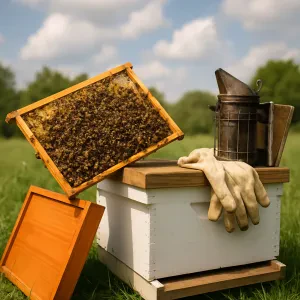
Essential Beekeeping Equipment:
-
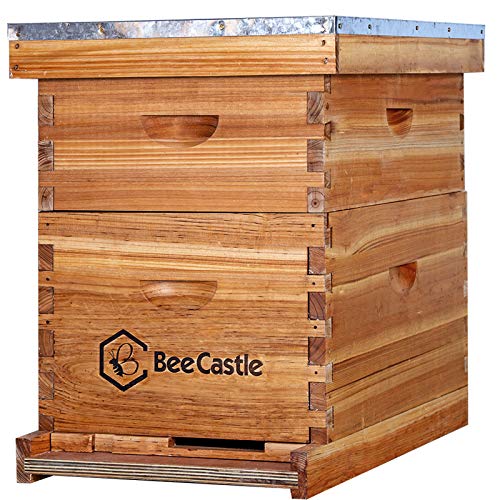
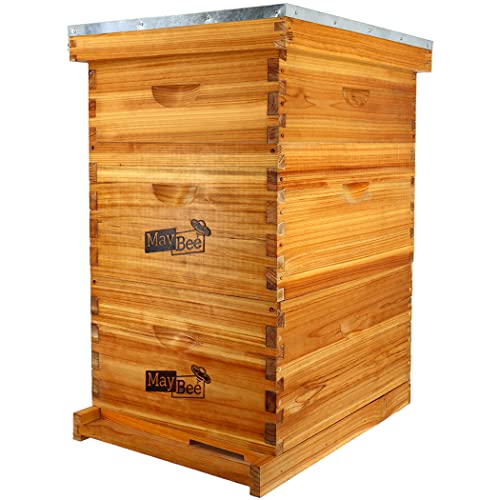
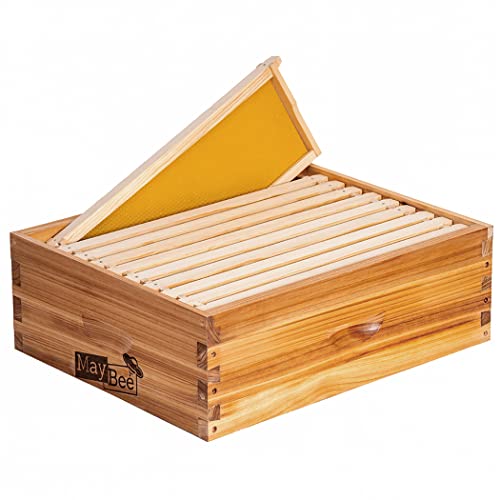
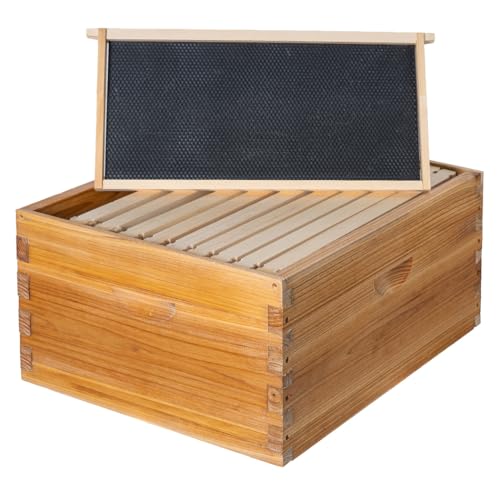
Beehive boxes (Langstroth hives are most common)
-
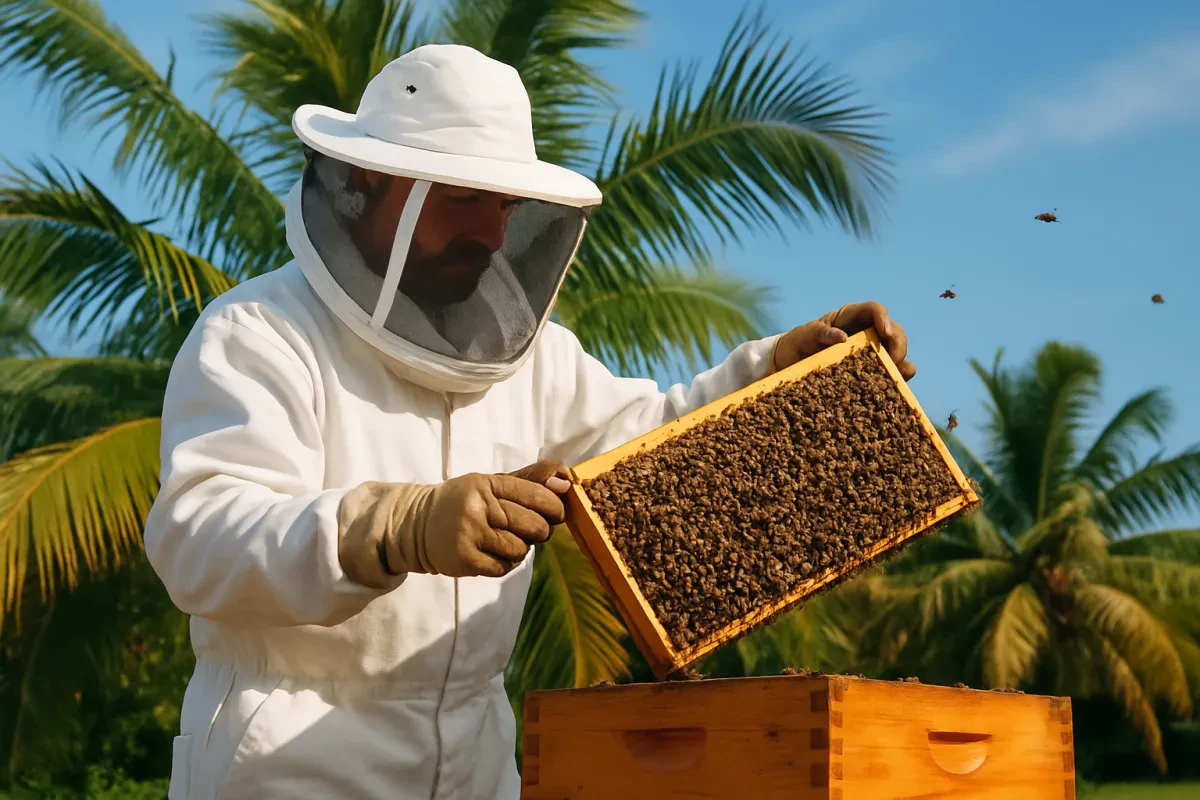
Protective gear: Bee suit, gloves, veil
-
Smoker: Calms the bees during inspections
-
Hive tool: For opening hives and removing frames
-
Feeder: Used during periods of nectar dearth
Where to Buy Beekeeping Supplies in Florida
You can purchase beekeeping equipment from:
-
Local supply stores (e.g., Dadant in High Springs, FL)
-
Florida beekeeping expos
-
Online retailers like Mann Lake or Betterbee
Step 4: Purchase Your Bees
Florida beekeepers have several options when it comes to sourcing honey bees.
Bee Purchasing Options:
-
Nucleus colony (nuc): A small, established colony with a laying queen
-
Package bees: Bees shipped with a caged queen
-
Swarm capture: Capturing feral swarms (best done with a mentor)
Look for reputable Florida-based bee suppliers who offer Varroa-resistant queen stock and have clean health inspections.
Step 5: Choose the Right Hive Location
Selecting the proper location for your hives is key to colony success.
Key Site Selection Factors:
-
Access to fresh water
-
Proximity to flowering plants
-
Shelter from high winds
-
Partial sun for warmth and pest control
-
Away from high-traffic human or pet areas
If you live in an HOA or city limits, check with your local municipality or HOA board before installing hives. Florida law permits beekeeping in many residential areas under the “Right to Farm Act,” but zoning rules still apply.
Step 6: Maintain and Monitor Your Hives
Regular Hive Inspections
Perform inspections every 7–14 days during active seasons to:
-
Check for signs of disease or mites
-
Confirm the queen is laying
-
Manage hive population and space
-
Remove excess honey during harvest periods
Pest and Disease Management
The Varroa mite is the #1 threat to Florida honey bees. Use Integrated Pest Management (IPM) strategies and consult FDACS for the latest treatment recommendations.
Step 7: Harvesting Honey in Florida
When to Harvest
Most Florida beekeepers harvest honey in late spring (May–June) and again in late summer (August–September).
Florida Honey Types
-
Orange Blossom Honey: Central Florida citrus groves
-
Tupelo Honey: Panhandle region
-
Wildflower Honey: Common statewide
-
Saw Palmetto Honey: Found in South Florida
Make sure your honey is properly strained and bottled if you plan to sell it. Florida law allows direct-to-consumer sales under the Cottage Food Law, but labeling must include:
-
Ingredients
-
Net weight
-
Your name and contact info
-
Statement: “Made in a cottage food operation that is not subject to Florida's food safety regulations.”
Step 8: Consider Scaling Up
If you find beekeeping rewarding, you may consider expanding into:
-
Pollination services
-
Queen rearing
-
Beekeeping education
-
Retail honey and wax products
Apply for an Agricultural Classification
With more than 6 hives on 5+ acres, you may qualify for Florida’s agricultural property tax exemption, potentially reducing your land taxes.
Final Tips for Florida Beekeepers
-
Stay current with seasonal practices (like feeding or swarm prevention)
-
Network through local beekeeping events and expos
-
Document everything: Hive health, harvest dates, treatments
-
Respect neighbors and educate them about your bees
-
Always wear protective gear, especially during inspections or removals
Conclusion: Florida Is Buzzing With Beekeeping Potential
Becoming a beekeeper in Florida is an incredibly rewarding experience that blends science, nature, and stewardship. With supportive laws, abundant forage, and a passionate community, Florida offers one of the best environments in the U.S. to raise healthy, productive bees.
Whether you’re starting with a single hive or aiming to grow into a business, follow the steps above to ensure a smooth, legal, and successful journey into Florida beekeeping.