

Urban beekeeping has grown in popularity as more people recognize the importance of honeybees for pollination and sustainability. But many beginners often ask, “Can you raise bees in the city?” The short answer is yes – urban beekeeping is thriving in many cities worldwide. However, before starting, you must understand where to place your hives, the rules and regulations to follow, and the best practices for maintaining healthy colonies in an urban environment.
In this article, we’ll explore everything you need to know about raising bees in the city, from selecting the perfect hive location to ensuring compliance with local laws.
Why Urban Beekeeping is Growing
With cities becoming greener and more residents taking an interest in sustainability, urban beekeeping has gained momentum. Bees are vital pollinators that contribute to the production of fruits, vegetables, and flowers. By keeping bees in the city, you can help support local ecosystems and even harvest your own honey.
Contrary to popular belief, urban environments can actually be favorable for honeybees. Cities often have diverse flowering plants in parks, gardens, and landscaped areas, providing an abundant food source. Additionally, urban areas are often less affected by agricultural pesticides compared to rural settings, which can make them safer for bees.
Can You Raise Bees in the City?
Yes, it’s entirely possible, but urban beekeeping requires careful planning and adherence to local regulations. Not all cities allow beekeeping, and some have restrictions on the number of hives or require permits. Before getting started, you must verify the rules in your area and choose the right location to keep your bees safe and your neighbors comfortable.
Check Local Beekeeping Laws and Regulations
Before you purchase a hive or bees, research the local ordinances and homeowner association (HOA) rules regarding beekeeping. Many cities now have bee-friendly policies, but they may still require registration or inspection.
Common Rules to Verify:
-
Permits or registration: Some cities require beekeepers to register their hives with local authorities.
-
Hive limits: There may be restrictions on how many hives you can keep on your property.
-
Setback requirements: Certain laws specify how far your hives must be from property lines, sidewalks, or neighboring buildings.
-
Flyway barriers: In some areas, you may need a fence or hedge at least six feet tall to encourage bees to fly upward when leaving the hive.
-
Zoning restrictions: Check whether beekeeping is allowed in residential zones or only in certain districts.
Where to Raise Bees in the City
Finding the ideal spot for your hives is critical in urban beekeeping. Bees need a quiet, sunny, and relatively undisturbed area to thrive. Here are the most common locations where city beekeepers raise bees:
1. Rooftops
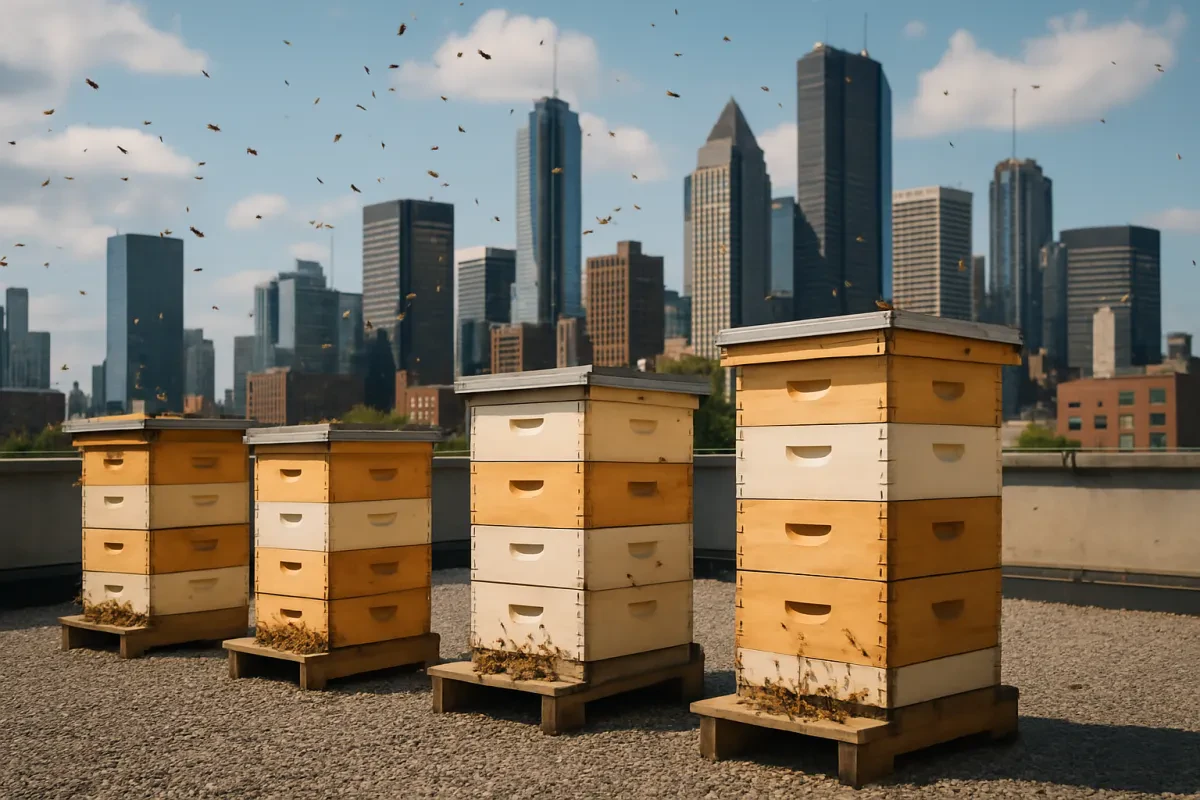
Rooftop beekeeping is becoming increasingly popular in major cities like New York, Chicago, and London. It’s a great way to keep bees away from pedestrian traffic while giving them ample access to foraging plants. Ensure the roof is sturdy, has safe access, and provides wind protection.
2. Backyards
If you have a private backyard, you can raise bees as long as local rules allow it. Choose a sunny corner away from walkways and play areas. Installing a barrier, like a fence or shrubbery, can guide bees to fly higher and reduce interaction with neighbors.
3. Community Gardens
Some cities have community gardens that welcome beekeepers. This option not only benefits the garden’s pollination but also helps you collaborate with other gardeners. Always obtain permission and follow garden-specific rules.
4. Balconies or Terraces
While less common, beekeeping on balconies is possible with proper planning. A small top-bar hive or nucleus hive can be placed in a corner, but ensure your neighbors are comfortable with the setup.
Tips for Successful Urban Beekeeping
Once you’ve confirmed the legality and location of your hives, you’ll need to take specific steps to ensure your bees stay healthy and your neighbors remain happy.
1. Choose Gentle Bee Breeds
Select bee species known for their gentle temperament, such as Italian or Carniolan honeybees. These breeds are less likely to sting and are ideal for urban environments.
2. Provide a Reliable Water Source
Urban bees need easy access to water. Place a shallow water dish with floating materials (like corks or pebbles) near the hive to prevent them from seeking water in neighbors’ pools or birdbaths.
3. Plant Pollinator-Friendly Flowers
Support your bees with a variety of flowering plants. Herbs like lavender, thyme, and mint, as well as native wildflowers, provide nectar and pollen throughout the season.
4. Regular Hive Inspections
Urban hives must be well-managed to prevent swarming or disease. Conduct regular inspections and monitor for pests like varroa mites.
5. Maintain Good Neighbor Relations
Educate your neighbors about the benefits of honeybees, provide them with honey, and ensure your hives are not causing any inconvenience. Good communication goes a long way in preventing conflicts.
Benefits of Raising Bees in the City
-
Improved pollination: Your bees will help local plants and gardens flourish.
-
Fresh, local honey: Enjoy harvesting your own honey, which can be a rewarding and profitable hobby.
-
Eco-friendly practice: Beekeeping promotes biodiversity and supports declining bee populations.
-
Educational opportunity: Urban beekeeping can teach communities about sustainability and pollinator health.
Potential Challenges
While raising bees in the city can be rewarding, there are challenges to consider:
-
Limited space: Finding enough room for hives can be tricky.
-
Neighbor concerns: Some people fear bee stings, so you’ll need to educate and reassure them.
-
Pesticide exposure: Although less than rural areas, urban pesticide use can still harm bees.
-
Climate and heat: Rooftops can become hot in summer, so provide shade and adequate ventilation for your hives.
Final Thoughts on Raising Bees in the City
So, can you raise bees in the city? Absolutely! With proper planning, adherence to regulations, and respect for your neighbors, urban beekeeping can be a fulfilling hobby or small business. Start by checking local beekeeping laws, choose an ideal location (such as a rooftop or backyard), and follow best practices for hive management.
Whether you’re interested in sustainability, fresh honey, or simply supporting pollinators, urban beekeeping is an exciting and rewarding way to connect with nature—even in the heart of the city.