As a professional beekeeper, I’m often asked: “What do honeybees eat?” While most people know bees produce honey, fewer understand what fuels these industrious insects throughout their lifecycle. Proper nutrition is crucial for honeybee health, colony productivity, and pollination efficiency. In this guide, I’ll explain the core elements of a honeybee’s diet, the seasonal variations, and how beekeepers can help supplement their bees’ nutritional needs.
🐝 Why Honeybee Nutrition Matters
A well-fed colony is a strong colony. Honeybees rely on a balanced diet for:
-
Colony growth and brood development
-
Production of royal jelly, wax, and honey
-
Immunity and disease resistance
-
Longevity and foraging stamina
Nutritional deficiencies can lead to weakened hives, decreased honey production, and increased susceptibility to pests and disease.
🌼 The Primary Foods of Honeybees
1. Nectar: The Energy Source
Nectar is the main carbohydrate source for honeybees. Foraging bees collect nectar from flowering plants and bring it back to the hive. Once inside, bees convert nectar into honey through a process of evaporation and enzymatic activity.
-
Function: Provides energy for flight, foraging, and hive maintenance.
-
Stored as: Honey (long-term food source)
-
Best sources: Clover, goldenrod, alfalfa, and fruit blossoms
2. Pollen: The Protein Powerhouse
Pollen is the primary protein source for honeybee larvae and adult nurse bees. It also contains vital vitamins, lipids, and minerals.
-
Function: Essential for brood rearing, gland development, and immune function
-
Stored as: Bee bread (fermented pollen)
-
Best sources: Dandelion, sunflower, willow, and wildflowers
🍯 Honey: More Than Just a Sweet Treat
Many people think honey is produced only for humans to enjoy, but it’s actually a vital food source for honeybees, especially in winter when nectar is unavailable.
-
Rich in: Sugars (glucose and fructose), small amounts of vitamins, antioxidants
-
Use: Sustains the colony during cold months or nectar dearths
-
Fun Fact: A single bee produces only 1/12th of a teaspoon of honey in her lifetime.
🥣 Bee Bread and Royal Jelly
Bee Bread
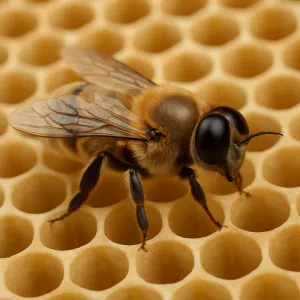
Bee bread is a mixture of pollen and nectar fermented by beneficial microbes in the hive. It’s more digestible than raw pollen and is especially important for nurse bees.
-
Rich in: Protein, amino acids, and enzymes
-
Stored: In comb cells adjacent to brood
Royal Jelly
Royal jelly is secreted by nurse bees and fed to all larvae for the first few days. However, only queen larvae are fed royal jelly exclusively throughout development.
-
Function: Triggers queen development
-
Nutritional Profile: Proteins, fatty acids, vitamins B1, B2, B6, and more
🌸 Seasonal Feeding Patterns of Honeybees
Honeybee food intake varies by season and environmental conditions.
Spring
-
Focus: Brood rearing and colony expansion
-
Diet: Abundant fresh nectar and pollen
-
Supplementation: Pollen patties if early bloom is delayed
Summer
-
Focus: Honey production and foraging
-
Diet: Peak nectar and pollen intake
-
Risks: Drought can limit flower availability
Fall
-
Focus: Preparing for winter
-
Diet: Late-season blooms like goldenrod and asters
-
Supplementation: Sugar syrup feeding for winter stores if needed
Winter
-
Focus: Hive survival
-
Diet: Stored honey and bee bread
-
Supplementation: Fondant or sugar blocks during emergencies
🌿 Plants That Feed Honeybees
A diverse floral environment helps ensure year-round nutrition. Here are top nectar and pollen sources by season:
| Season | Top Plants |
|---|---|
| Spring | Dandelion, Maple, Willow |
| Summer | Clover, Alfalfa, Sunflower |
| Fall | Goldenrod, Aster, Japanese Knotweed |
Encouraging native wildflowers and avoiding pesticide use can significantly boost the quality of forage available to your bees.
🍬 Supplemental Feeding for Honeybees
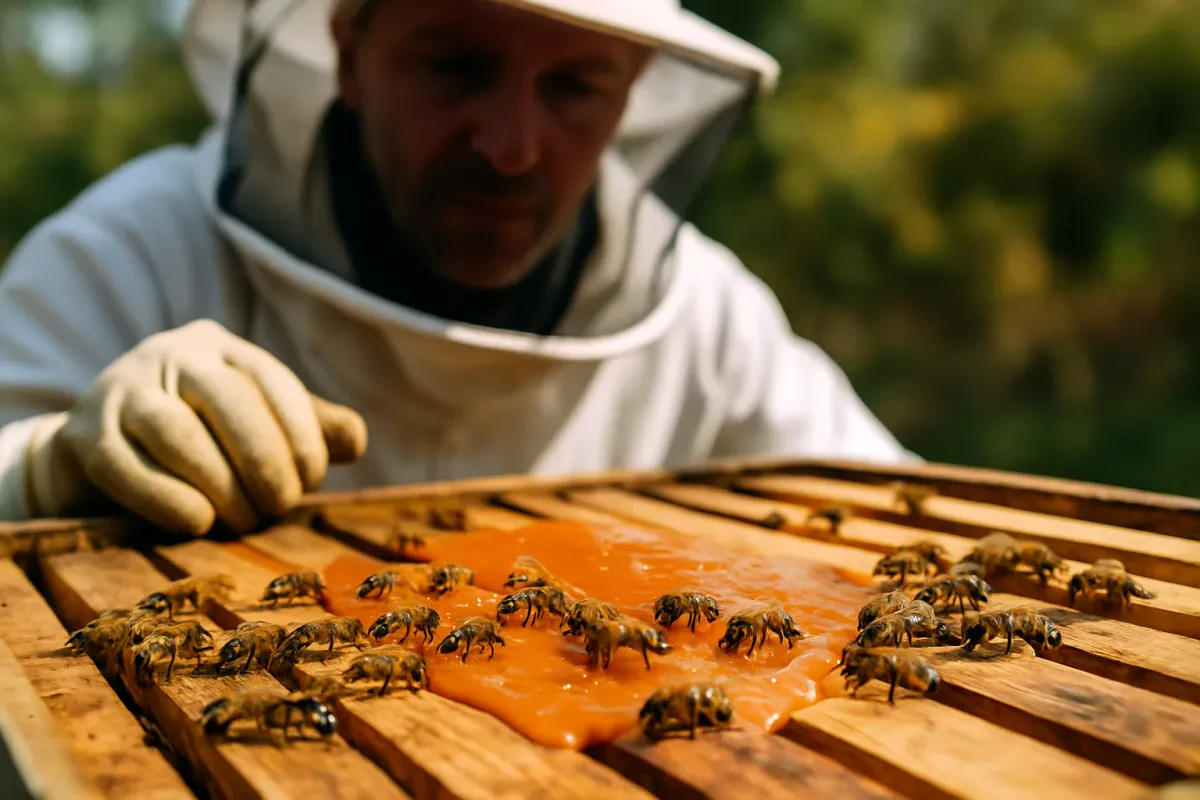
As a beekeeper, I often provide supplemental feed during times of scarcity. Here are common options:
Sugar Syrup
-
Use: Stimulates brood rearing or replenishes honey stores
-
Mix Ratios:
-
Spring: 1:1 (sugar:water)
-
Fall: 2:1 (thicker syrup for storage)
-
Fondant and Sugar Bricks
-
Use: Winter emergency feed
-
Placed: Directly on top bars or inner cover
Pollen Patties
-
Use: Early spring stimulation or pollen dearth
-
Composition: Soy flour, brewer’s yeast, or actual pollen
🐝 What Not to Feed Honeybees
Avoid feeding bees the following, as they can harm the colony:
-
Honey from unknown sources (risk of disease like American Foulbrood)
-
Molasses or brown sugar (indigestible compounds)
-
Artificial sweeteners (lack essential nutrients)
-
Fermented or moldy feed (toxic and can lead to dysentery)
👨🌾 How Beekeepers Support Honeybee Nutrition
As professional beekeepers, we take multiple steps to support the nutritional health of our hives:
-
Monitoring forage conditions: Watching for bloom shortages or droughts
-
Seasonal feeding: Providing syrup, patties, or fondant when needed
-
Hive inspections: Checking for food stores and brood pattern
-
Apiary placement: Positioning hives near diverse, pesticide-free forage
-
Planting bee-friendly gardens: Enhancing natural food sources
🚨 Signs of Nutritional Deficiency in Honeybees
A lack of proper nutrition can show up in various ways:
-
Spotty brood pattern
-
Reduced bee population
-
Stunted or deformed bees
-
Increased susceptibility to Nosema, Varroa, or viruses
Routine inspections and proactive feeding can help prevent these issues.
🌍 Final Thoughts: Feed Your Bees, Save the Planet
Honeybee food isn't just about sugar and pollen—it’s about ecological balance, responsible stewardship, and long-term colony health. By ensuring your bees have access to diverse, high-quality forage and supplementing when necessary, you play a key role in sustaining both pollinators and global agriculture.
If you’re a beekeeper, gardener, or nature lover, planting flowers, avoiding chemicals, and understanding honeybee diets can help these incredible creatures thrive.