Getting into beekeeping can feel a bit overwhelming, but it’s really not that hard once you know the basics. If you’re wondering how to start honey bee farming, the first step is to understand what you need to get going. It’s vital to have the right gear and setup to keep your bees happy and healthy.
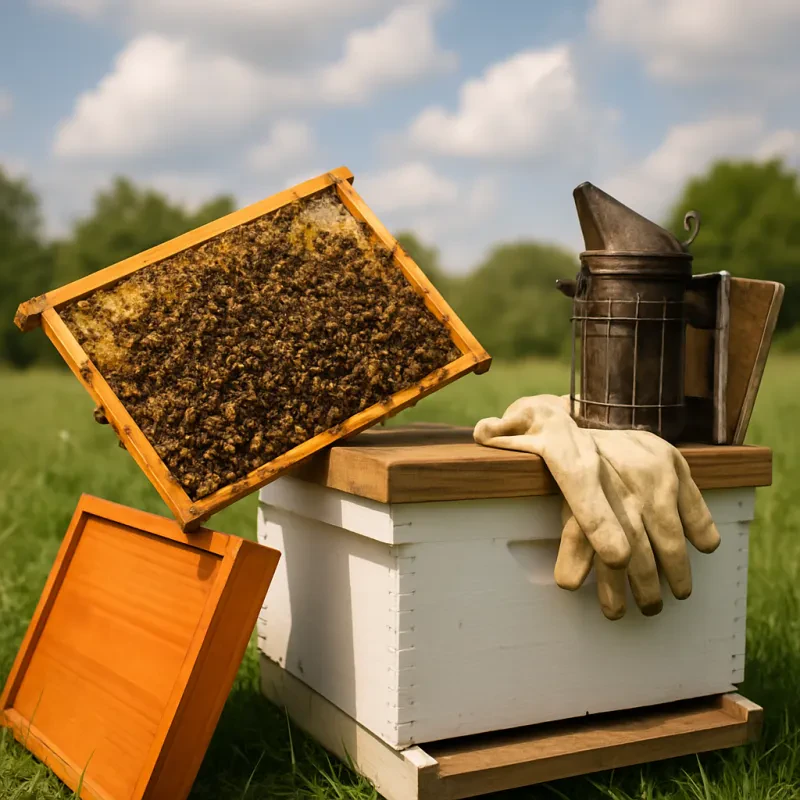
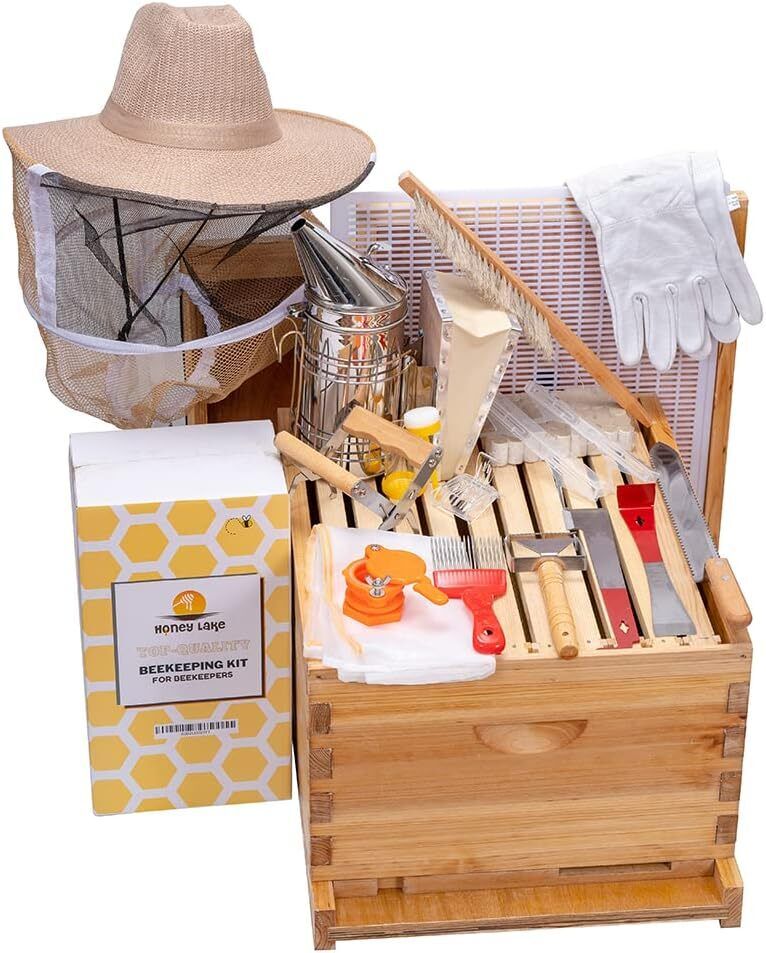
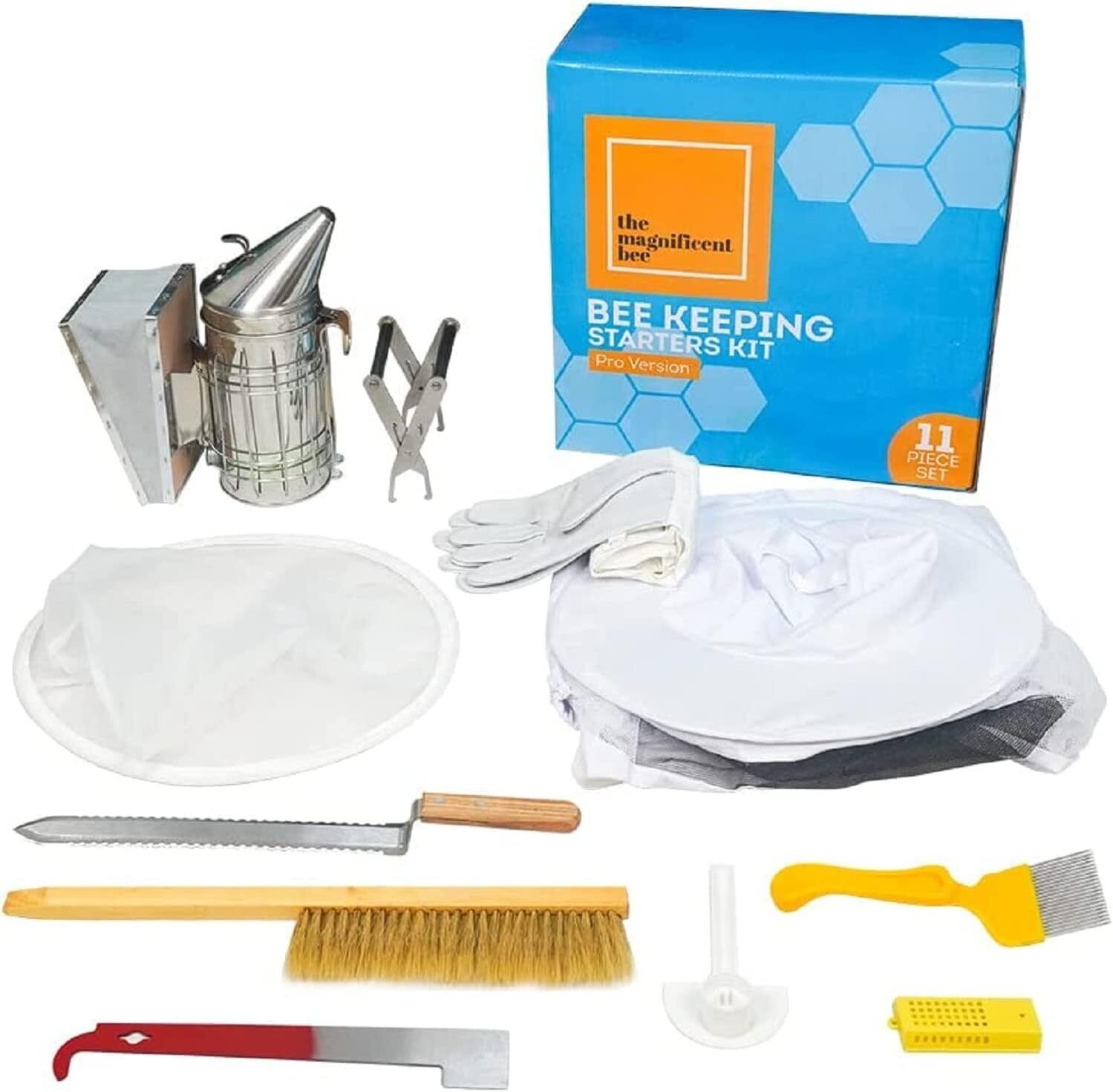
Start with a good beekeeping kit. These often include a bee suit, gloves, and a hive tool, which makes handling your bees much safer and easier. You’ll want to invest in a quality bee hive, too. There are a few different types, such as Langstroth and Top-bar hives, so do a little research to see which one fits your style best. Each type has its pros and cons, depending on your needs and preferences.
Next up, find a local source for bees. You can either buy a package of bees or look for a nucleus colony from a local beekeeper. Packages usually come with a queen and a few thousand workers, while a nucleus colony is a smaller, established hive. Either way, getting your bees from a reputable source is key to getting started strong.
After setting up your hive and bringing in bees, it’s all about maintenance. Regular inspections will help you keep an eye on your colony’s health. Check for signs of diseases or pests and make sure the queen is laying eggs. Feeding your bees sugar syrup in early spring can give them a helpful boost, especially if they’re new to the area.
Don’t forget to connect with local beekeeping groups or online forums. They can be some of the best places to learn how to start honey bee farming efficiently. You’ll find plenty of friendly folks eager to share tips, tricks, and support as you dive into this rewarding hobby. Happy beekeeping!
Choosing the Right Beekeeping Equipment
When you're diving into beekeeping, figuring out what equipment you need can feel a bit overwhelming. But don't worry, I’m here to help you make sense of it all. First, think about the essentials: you'll need a hive, protective gear, and basic tools. These are the must-haves to get you started on how to start honey bee farming.
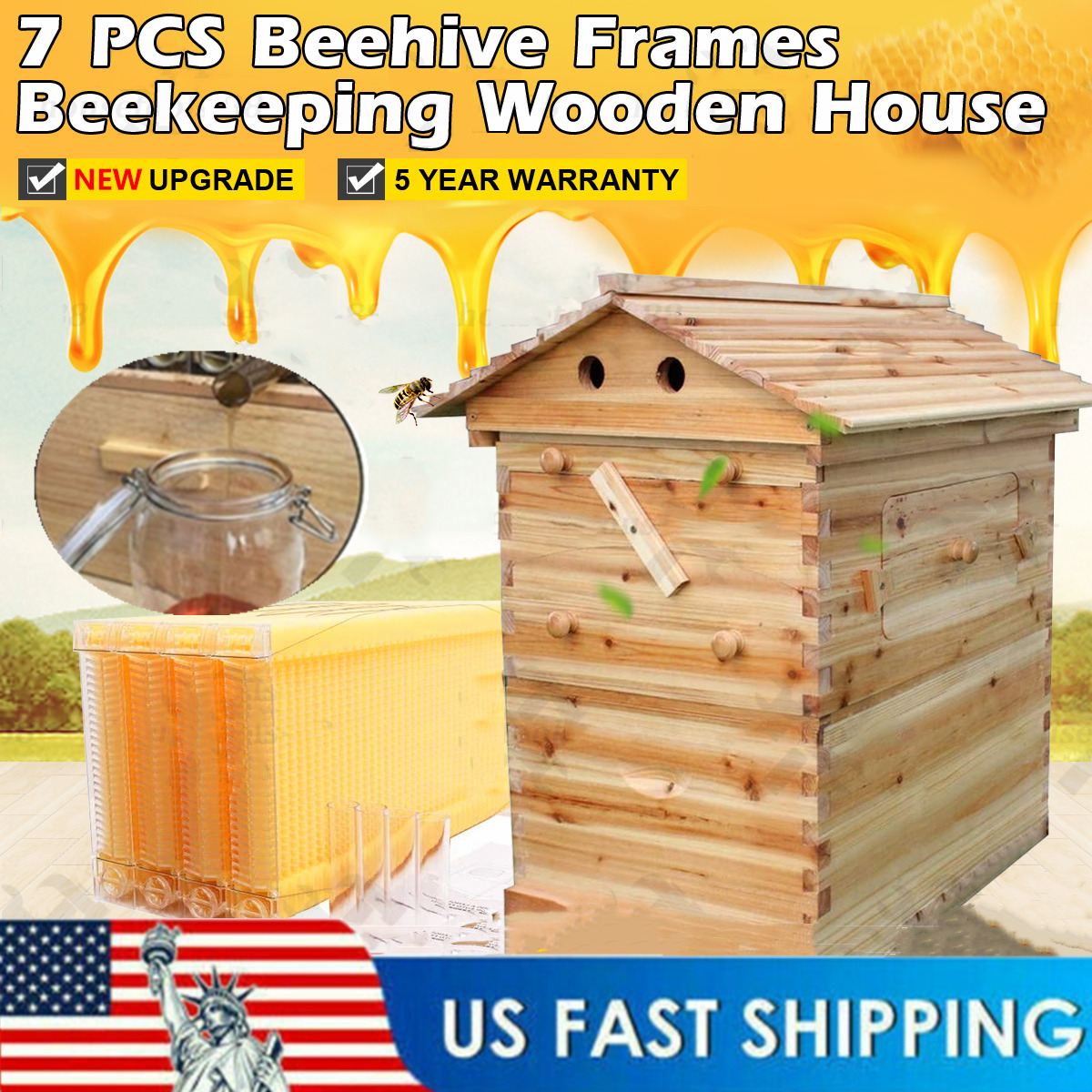
Your hive is the star of the show. There are a few different types, but the Langstroth hive is super popular for beginners. It’s easy to manage and allows you to expand as your bees grow. If you're into something more natural, you might want to check out top-bar hives. They can be a bit trickier, but some beekeepers love them for their hands-on approach.
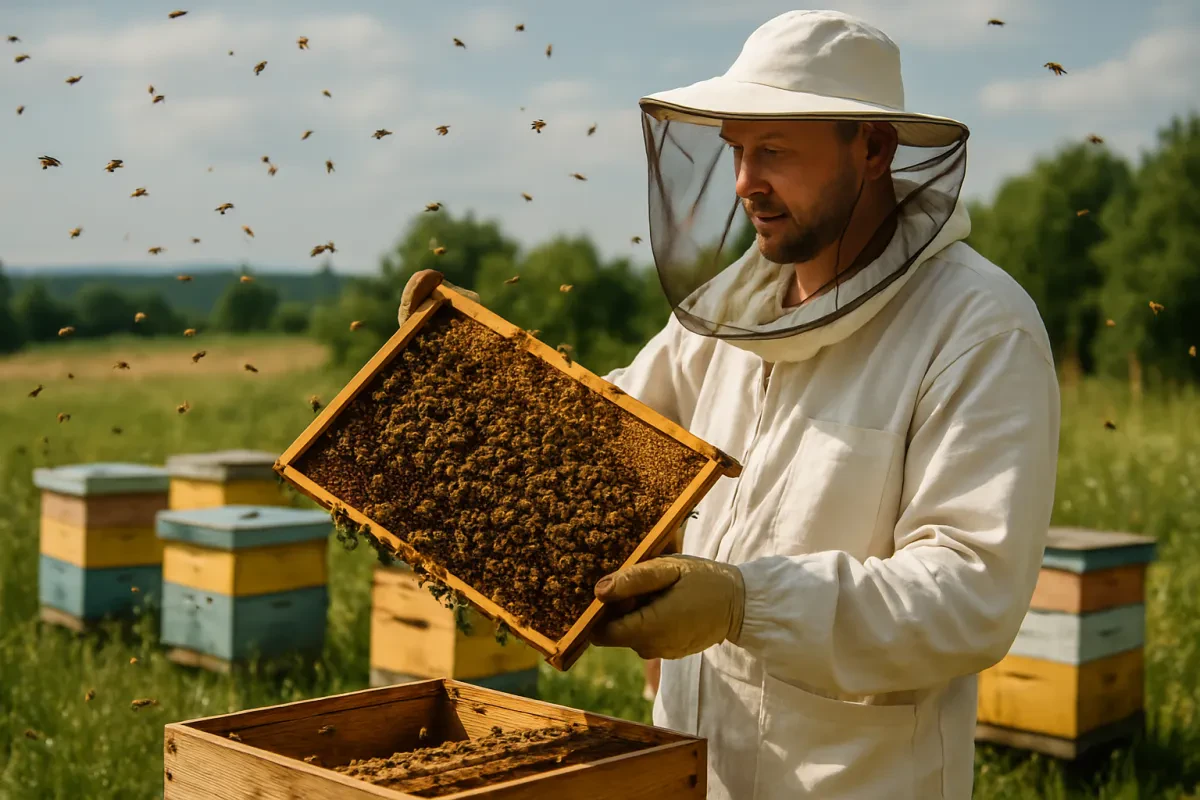
Next up is your protective gear. A good bee suit is key to feeling comfortable while you work. Look for a suit that fits well and has a veil to keep your face safe. Gloves are also important, but don’t get too heavy-handed here. You want to be able to feel what you’re doing while working with your bees!
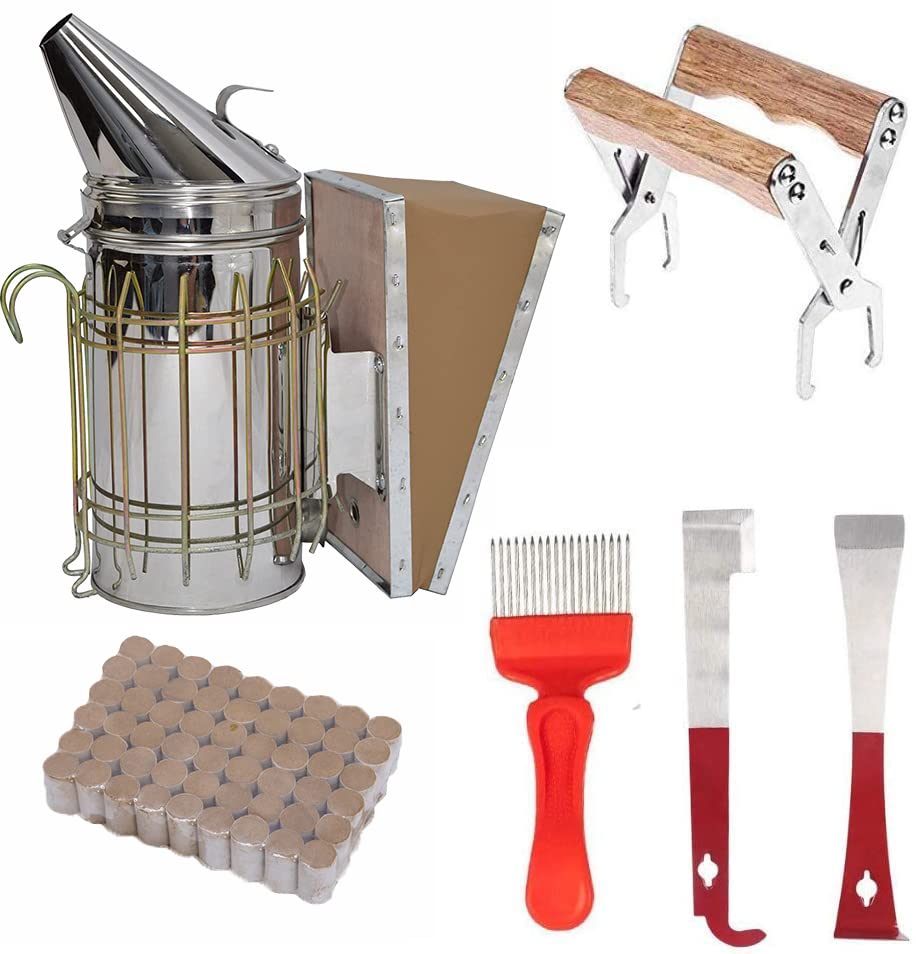
Lastly, consider your tools. A hive tool is a must for inspections and maintenance, while a smoker helps keep the bees calm when you’re working in the hive. If you’re serious about how to start honey bee farming, investing in quality tools pays off in the long run.
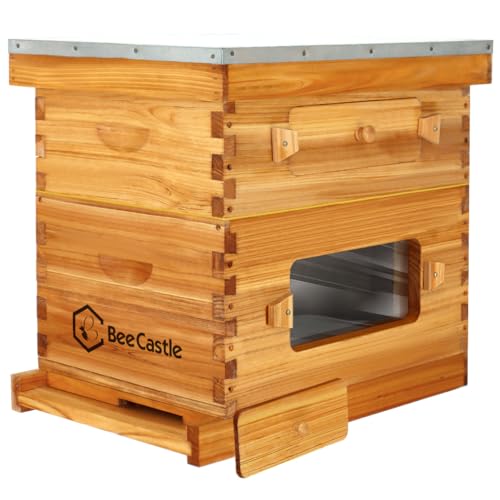
10-Frame Langstroth Beehive Starter Kit for Beginner Beekeepers
The perfect kit to help beginner beekeepers get started with their 10-Frame Langstroth Beehive
Product information
$149.99
Product Review Score
4.86 out of 5 stars
30 reviewsProduct links
Caring for Your Honey Bees
Regular checks on your hive are essential. Open it up to see how your bees are doing, usually every few weeks. Look for signs of disease, too. Healthy bees are busy bees! If something seems off, don’t hesitate to reach out to local beekeeping clubs or online communities. You’re not alone in this journey!
Feeding your bees might be necessary, especially in early spring or late fall. Sugar water is a common choice if they can’t find enough nectar. Just mix it up and give them a boost when they need it. Check the weight of your hive; if it's light, your bees might need a little snack to get through the tough times.
Lastly, don't forget about pests! Varroa mites can really mess things up for your colony. Keep an eye out for any signs and plan your treatment options. It’s all part of how to start honey bee farming effectively. Remember, happy bees make the best honey, and in this adventure, their well-being comes first!
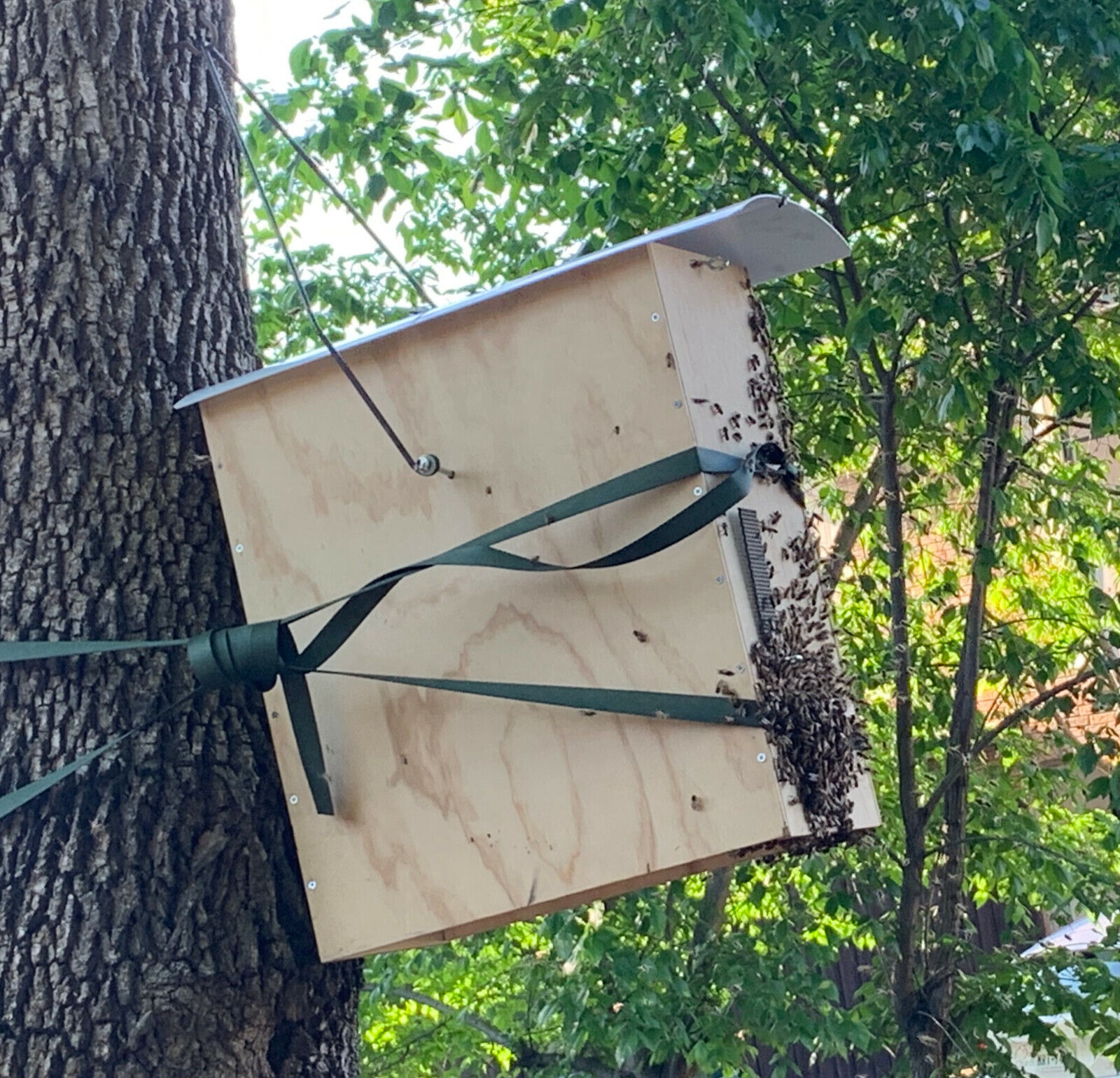
Bee Hive with Honeybee Swarm Trap
Attract and Capture Honeybee Swarms with this Bee Hive Swarm Trap
Product information
$145.00
Product Review Score
4.1 out of 5 stars
205 reviewsProduct links
Harvesting Honey for Beginners
Harvesting honey might sound tricky, but it's pretty straightforward once you get the hang of it. If you're wondering how to start honey bee farming, this part is essential! You'll want to make sure you’ve got the right tools before diving in. A basic toolkit includes a smoker, bee suit, gloves, and a honey extractor. Getting these together will help keep you safe and make the process a breeze.
Timing is everything when it comes to harvesting. The best time is usually late summer or early fall, right before the bees start preparing for winter. Check the frames in your hive. If they’re full of capped honey, it’s go-time! Use your smoker to calm the bees, which makes the whole thing easier for both you and them.
When you're ready to extract that golden goodness, remove the frames from the hive carefully. Take them to your honey processing area where you can work comfortably. If you’ve got an extractor, that’s fantastic! It spins the honey out of the frames, making the whole extraction process quick and efficient. If you’re going old school, you might be using a strainer or a cheesecloth to separate the honey from the wax.
Don’t forget to store your honey properly! Glass jars or food-safe containers work best. Label them with the harvest date so you can keep track. Remember, if you take care of your bees and manage your hive well, you’ll be rewarded with delicious honey year after year. So if you’re looking to learn how to start honey bee farming, enjoy this sweet journey!